Misty redwood forest with light filtering through canopy
Board-certified · Stanford-trained · Accepting new patients

Psychiatry rooted in relationship, guided by expertise

I integrate skills in both psychiatric medications and deep psychotherapy to help patients address the symptoms that surface and the deeper patterns beneath them. Available in-person in Los Altos and via telehealth throughout California.

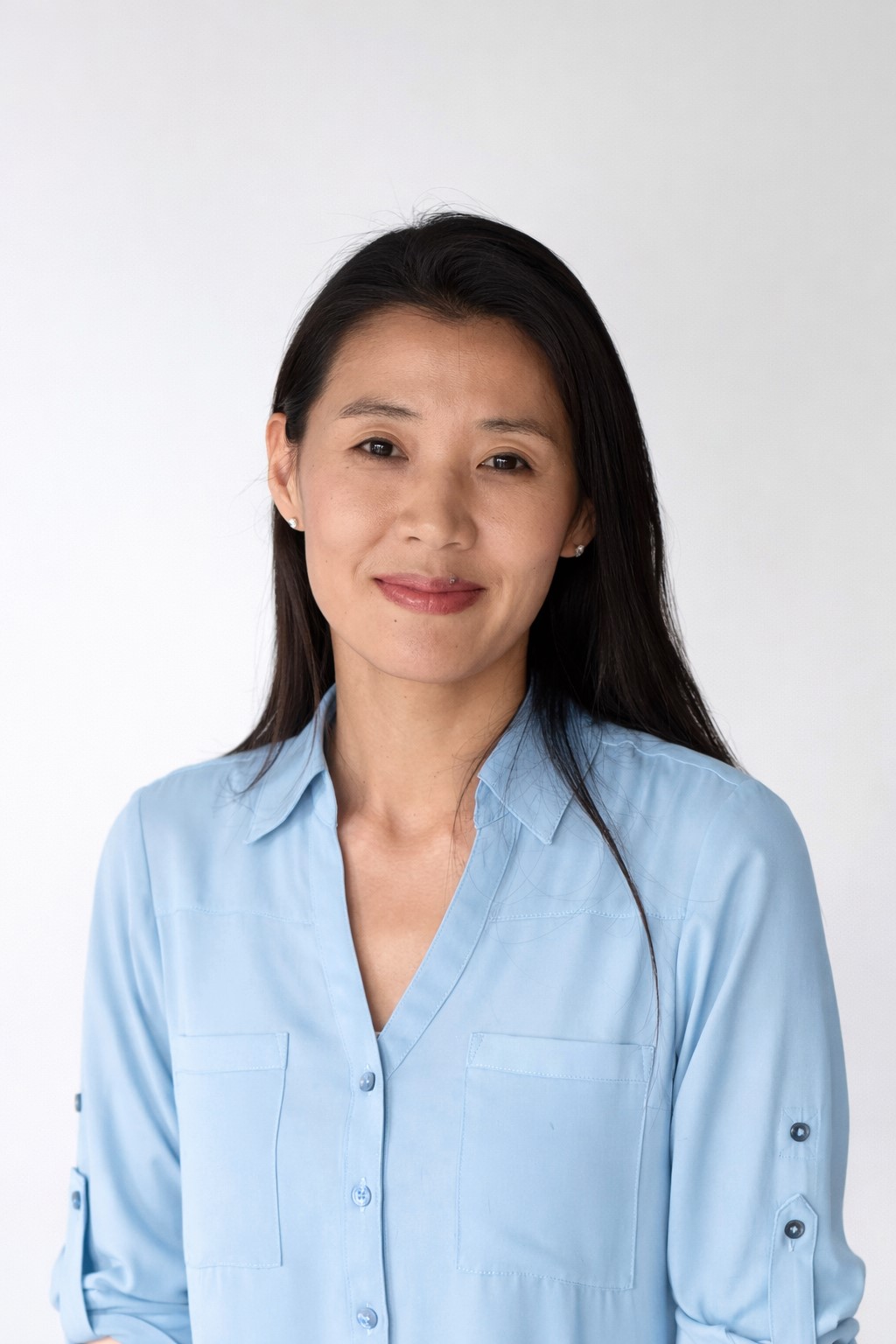
Grace Liu, MD
Close-up of fern fronds

A practice built at the intersection

I am a board-certified psychiatrist with a practice built at the intersection of several disciplines. My training in both psychiatry and intensive psychodynamic psychotherapy means I bring a dual fluency — I can think carefully about the neurobiology of a condition and prescribe accordingly, while also sitting with a patient in the kind of sustained, exploratory therapeutic work that surfaces what medications alone cannot reach.

I have a particular commitment to working with individuals for whom cross-cultural identity, immigration, and multicultural experience shape their emotional lives. These dimensions often go unnamed in treatment but can be central to a person's suffering and growth. I speak Mandarin Chinese and can work with individuals for whom Mandarin is their mother tongue.

Many of the people I work with are thoughtful, introspective, high-functioning individuals who are managing more internally than others around them realize. Some are navigating mood disorders, anxiety, ADHD, obsessive patterns, disordered eating, or addictive behaviors shaped in part by biological predispositions they didn't choose. Others arrive with a vaguer sense that something is off despite a life that looks fine from the outside. In many cases, medication plays a critical role — not as a solution in itself, but as a way of quieting the neurobiological noise enough for the real work to take hold. When the right medication stabilizes what biology has destabilized, it creates room for the person to grow — to develop insight, to tolerate difficult feelings, to change relational patterns — within the context of a psychotherapy relationship built on deep and collaborative understanding. That combination — pharmacologic precision and generative relational work — is what I find most meaningful, and where I see patients change in ways that last.

I am an Adjunct Clinical Assistant Professor at Stanford University School of Medicine Department of Psychiatry & Behavioral Sciences, where I teach and supervise psychiatry residents and medical students. Teaching keeps me close to the evolving science, and the rigor of training others sharpens my own clinical thinking.

Close-up of moss

How I work

I think of the human psyche as the proverbial iceberg. Beneath the surface lies a foundation shaped by biology and environment, and the dynamic interactions of the two which engenders the development of the unconscious and conscious mind and one's sense of self. What we see above the waterline — insomnia, depression, anxiety, panic attacks, obsessive thinking, anger, substance use, disordered eating — are often expressions of something deeper and more structural.

As a psychiatrist steeped in psychodynamic psychotherapy, I work to understand patients from the bottom up and from the top down. That means attending to the unconscious and relational patterns that organize a person's inner life, while also addressing the symptoms that show up in daily functioning. Both directions of inquiry inform each other, and both matter in effective treatment.

I bring this same orientation to medication. Psychopharmacologic treatment is not psychologically inert — the choices involved in what to prescribe, when, and how carry real meaning for the patient's subjective experience and sense of self. I think carefully about how a medication fits within the broader context of a person's treatment — what it means to the patient to take it, how it interacts with the work we're doing in therapy, and whether it supports or complicates their sense of agency over their own mind.

At the center of all of this is the relationship. I work to build an alliance that is safe, honest, and substantial enough to hold difficult material, which allows for corrective experiences to be internalized and generalized.

Psychotherapy

Ongoing and regularly-scheduled sessions drawing on theories and experience from depth psychology, tailored to your goals and what emerges in our work together.

Medication management

Thoughtful prescribing integrated into therapy or as standalone visits, with close monitoring and a conservative, collaborative, and evidence-based approach to medication decisions.

Combined treatment

The ability to provide both therapy and medication within a single relationship — so that prescribing decisions are informed by a deep understanding of who you are.

Telehealth & in-person

Available for in-person sessions in Los Altos and via secure, HIPAA-compliant video throughout California — offering flexibility without compromising the depth of the work.

Calm open ocean fading into fog

Services

Initial consultation

A comprehensive evaluation of your current concerns alongside your medical, psychiatric, and personal history. We'll develop an assessment and treatment plan together.

75–90 min

Therapy +/- medication management

Regularly scheduled psychotherapy sessions with concurrent medication prescribing when indicated. Therapy and medication decisions are integrated into a single relationship.

50 min

Medication management only

Focused visits for medication prescribing, dosage adjustments, and monitoring. Frequency depends on your treatment stage and complexity.

25 min

Education & training

Education

B.S. Cellular & Molecular Biology, University of Michigan

M.D. University of Michigan Medical School

Training

Psychiatry internship and residency, Stanford University School of Medicine

Psychoanalytic psychotherapy fellowship, San Francisco Center for Psychoanalysis (Palo Alto program)

I currently hold an appointment as Adjunct Clinical Assistant Professor at Stanford University School of Medicine.

Layered hills fading into morning mist

Common questions

What's the difference between a psychiatrist and a therapist?

+
A psychiatrist is a physician with medical training who specializes in conditions of the mind. Psychiatrists can treat with a variety of interventions including most commonly medications and psychotherapy. "Therapist" is a broader term for someone who provides psychotherapy and may hold various degrees (PhD, PsyD, LMFT, LCSW). As a psychiatrist who also practices psychotherapy, I offer both under one roof.

I've never had therapy before — what is it like?

+
Psychotherapy (also called "therapy") is a structured process for understanding and working through emotional distress. In my practice, I approach therapy as a journey of self-discovery. I stay closely attuned to your inner experience with an open, non-judgmental stance, and offer feedback and guidance at key moments — always in service of the goals you've set. I see my role as helping you develop your own capacity for insight and change.

How long will I need to take medication?

+
This varies widely depending on your condition, severity, history, and response to treatment. For some people it's a few months; for others, longer. I follow evidence-based guidelines and make medication decisions collaboratively with you. Any discontinuation is done gradually and with careful monitoring.

What happens in the first appointment?

+
The initial consultation is 75–90 minutes. I'll ask about what you are struggling with, relevant aspects of your history, and what you're hoping for from treatment. I'll begin to listen and work with the material as you are speaking and share my initial impressions from which we'll discuss a treatment approach together. That may involve therapy, medication, both, or other(s). My goal is for you to leave the first couple of sessions with a clear sense of what working together would look like. I am aware that my approach may not be the best fit for all, so if it does not seem like I understand you in a helpful way, I would like to help you find someone who does.

Do you accept insurance?

+
I am a private-pay practice and do not accept insurance. I'm happy to provide superbills (itemized receipts) that you may submit to your insurance company for potential out-of-network reimbursement. I accept check, cash, Zelle and HSA/FSA. Please contact me to discuss rates.
Misty green mountain landscape

Get in touch

The first step is a brief conversation. Email me to get started — tell me a bit about what brings you in and what you are hoping for in treatment. We can arrange a complimentary 15-minute phone call followed by an initial appointment if it seems like a good fit.

Phone & voicemail

650.542.8333

In-person

Los Altos, CA

Telehealth

Available throughout California

Fax

407.550.7139

Address (Mailing Only)

530 Showers Dr. Ste 7-380
Mountain View, CA 94040

I am a private-pay practice. I do not accept insurance but can provide superbills for potential out-of-network reimbursement. I accept check, cash, Zelle and HSA/FSA.